Seamless tubes are used in boiler pipes because they offer uniform strength, higher pressure tolerance, and better integrity under extreme temperature and pressure conditions compared to welded alternatives. Their lack of weld seams eliminates weak points that are prone to failure in high-stress environments, making them ideal for high-pressure boilers, superheaters, and reheaters in power plants and industrial steam systems.
Here’s a detailed breakdown of the reasons why:
1. Working Environment of Boilers
Boilers operate under extreme conditions characterized by high temperatures, high pressure, and corrosive media. The internal environment often exceeds hundreds of degrees Celsius and pressures can reach several megapascals. The water or steam inside, along with impurities like oxygen and chlorides, can cause severe corrosion and erosion to materials, which is why robust materials like the A519 CD seamless tube are essential. These factors collectively demand that boiler components possess exceptional mechanical strength, thermal stability, and resistance to corrosion. Any material failure under such conditions may lead to catastrophic consequences, making the choice of manufacturing materials and processes critical.
2. Core Differences Between Seamless and Welded Tubes
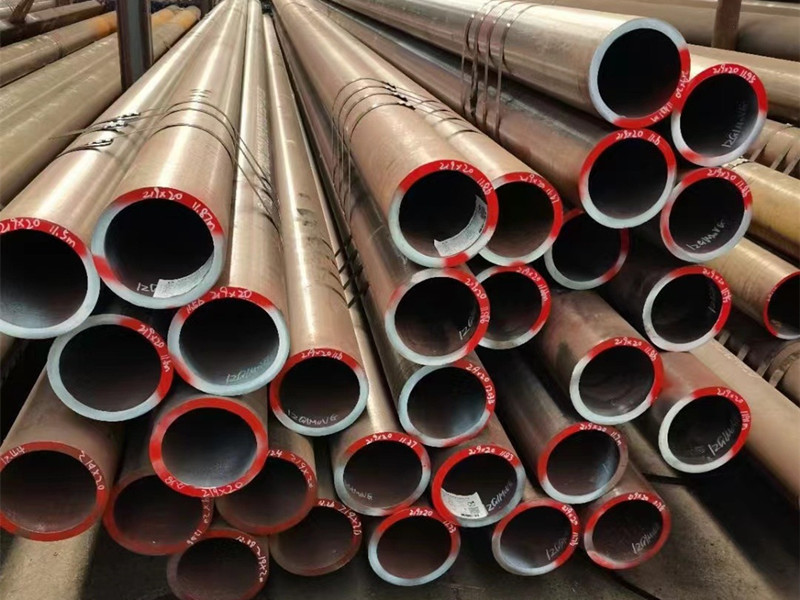
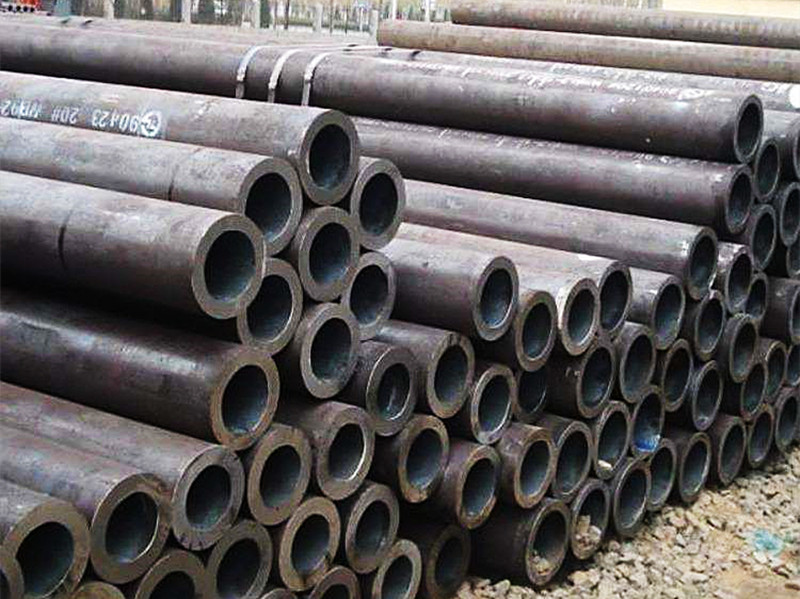
The fundamental difference lies in the presence of a weld seam. Seamless steel tubes are manufactured through extrusion or piercing, resulting in a homogeneous microstructure without welded joints. This absence of a seam eliminates structural weaknesses, ensuring uniform mechanical properties and higher pressure-bearing capacity. In contrast, welded tubes are formed by rolling and welding steel plates, creating a heat-affected zone along the seam. This zone often has inferior mechanical and metallurgical properties, making it susceptible to cracks and corrosion under high stress.
3. Unreplaceable Advantages of Seamless Tubes
Seamless tubes offer unmatched safety, reliability, and longevity in critical applications like boilers. Their uniform microstructure provides consistent strength and resistance to thermal and pressure fluctuations. Without welded seams, they avoid stress concentration and microstructural degradation, significantly reducing the risk of failure over time. This integrity ensures leak-free performance and minimal maintenance needs, making them indispensable in high-temperature and high-pressure systems where safety is paramount.
4. Risks of Using Welded Tubes in Boilers
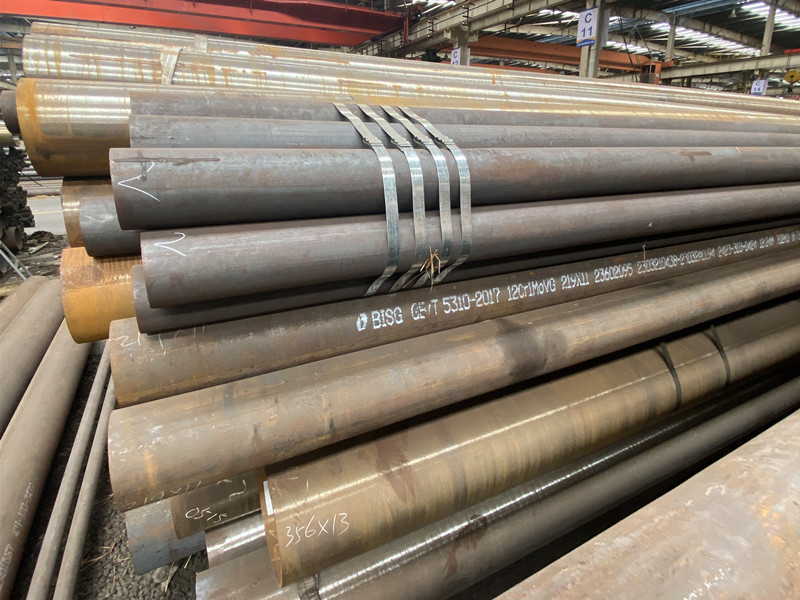
Substituting seamless tubes with welded ones in boilers invites enormous risks. The welded seam is a potential weak point prone to cracks, corrosion, and fatigue under cyclic loading. In extreme conditions, this can lead to sudden burst failures, causing steam leaks or explosive ruptures. Such incidents may result in equipment destruction, operational shutdowns, and even life-threatening accidents. Thus, using welded tubes where seamless tubes are required compromises entire system safety and violates technical standards.
 EN
EN