Email Us

Structure and Working Principle of Soft Sealed Gate Valve

Table of Content [Hide]

    Structure Overview

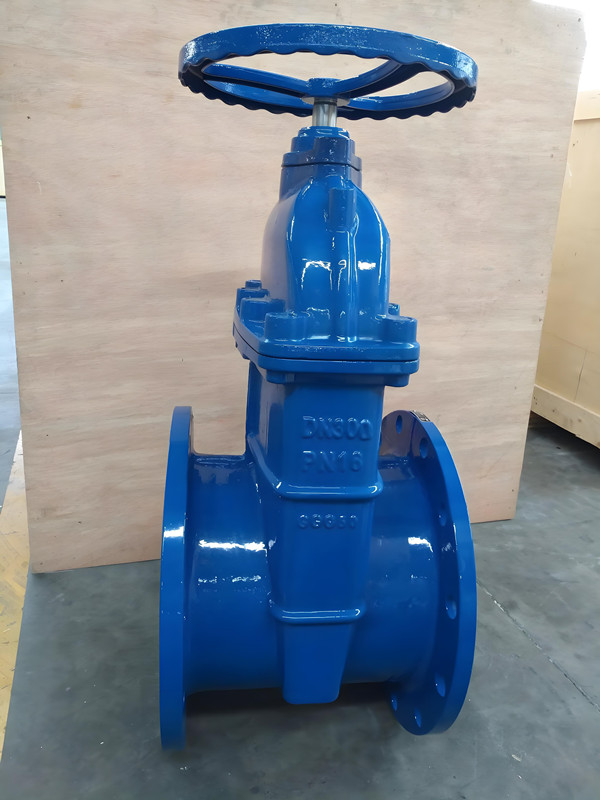
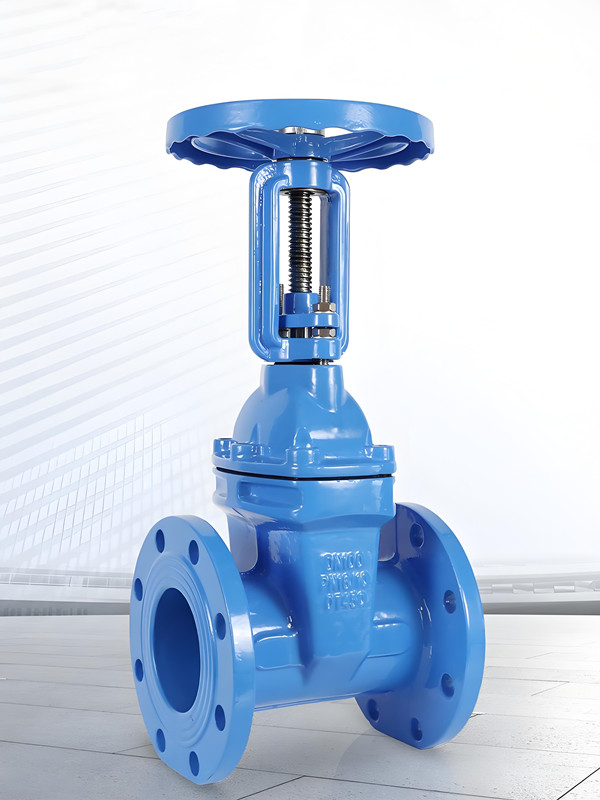
    A soft-sealed gate valve consists of a ductile iron or stainless-steel body, a rubber-coated gate (EPDM/NBR), a stainless-steel stem, an embedded rubber seat ring, and a bonnet. The key feature is its full rubber encapsulation design, where the gate’s elastic rubber layer compresses against the seat ring to ensure bidirectional, zero-leakage sealing.


    The valve is operated manually via a handwheel or automatically with an actuator, offering low torque and corrosion resistance. However, its rubber components limit use to low-temperature (≤80°C) and non-abrasive media like water, oil, or gases, a specification clearly provided by a reliable gate valve company.


    structure-and-working-principle-of-soft-sealed-gate-valve1.jpg


    Working Principle

    The valve controls flow by raising or lowering the gate vertically. When open, the gate retracts fully into the bonnet, minimizing pressure drop. When closed, the stem drives the gate downward, compressing the rubber seal against the seat to block fluid flow. The rubber’s elasticity accommodates minor deformations, ensuring tight sealing even under pipeline vibrations.


    Compared to metal-seated valves, soft-sealed variants excel in leak prevention and low-pressure applications (e.g., water supply, fire protection, and HVAC systems) but are unsuitable for high-temperature or particulate-laden fluids.


    structure-and-working-principle-of-soft-sealed-gate-valve2.jpg


    References

    Related News

    Related Products

    Call
    0317-5636199
    Address
    Lijiapu Industrial Zone, Cangzhou City, Hebei Province, China