Of course. The connection method of a carbon steel elbow is crucial as it determines the integrity, pressure rating, maintainability, and cost of the piping system.
Here are the common connection methods for carbon steel elbows, from most to least common in industrial settings:
Butt-Weld (BW)
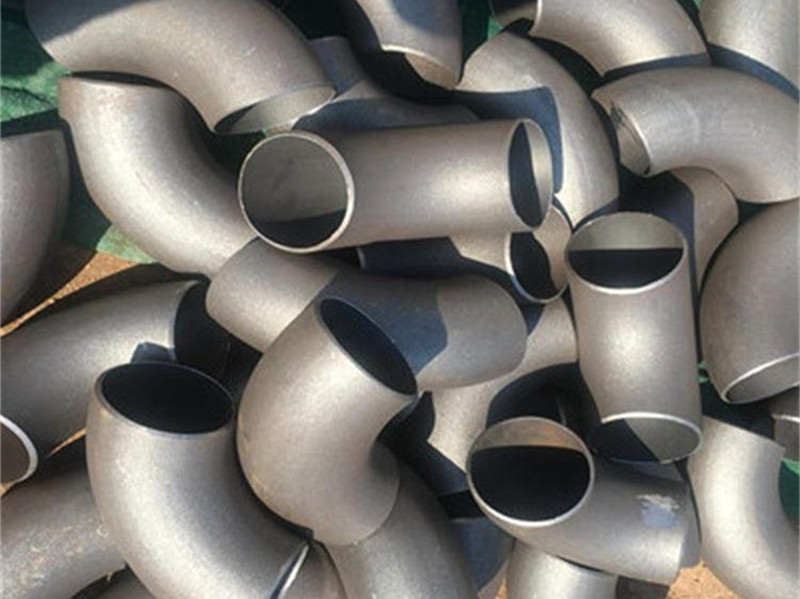
This is the most prevalent method in high-pressure, high-temperature, and critical application industries like oil & gas, power generation, and chemical processing.
How it works: The plain, beveled end of the elbow, such as a carbon steel elbow, is aligned with the prepared end of a pipe of matching diameter and schedule (wall thickness). A welder then performs a full-penetration weld around the circumference to create a permanent, homogeneous connection.
Advantages:
(1)Maximum Strength & Integrity: Provides the highest structural strength and leak integrity, nearly as strong as the pipe itself.
(2)Smooth Bore: No internal obstruction, minimizing pressure drop and turbulence and preventing erosion or clogging.
(3)Suitable for Severe Service: Ideal for high pressure, temperature fluctuations, vibration, and corrosive fluids.
(4)Long-Lasting: When done correctly, it is the most durable connection.
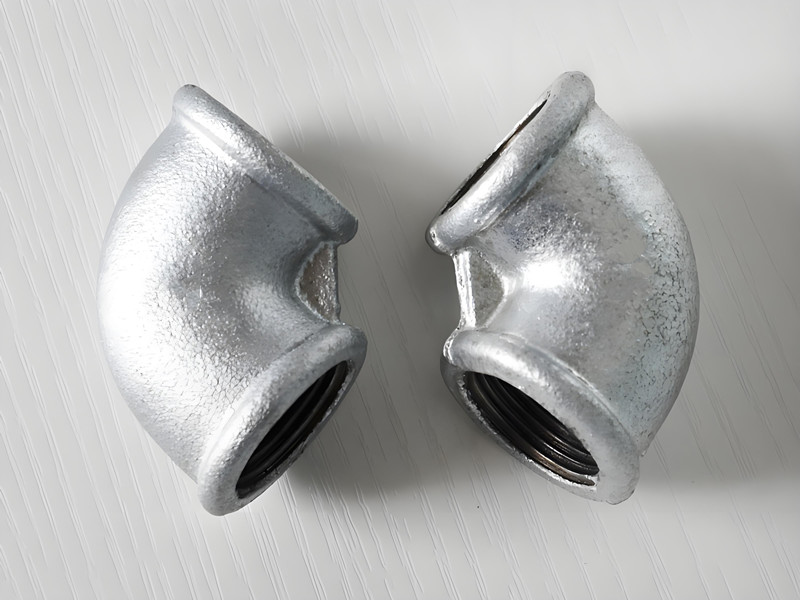
Threaded (NPT)
Common in low-pressure, low-temperature, and non-critical applications, such as utility lines, water systems, and some fire protection systems.
How it works: The external threads (NPT - National Pipe Taper) on the elbow are screwed into the internal threads on the pipe or fitting. Sealant (like Teflon tape or pipe dope) is used to ensure a leak-tight seal.
Advantages:
(1)Ease of Installation: No welding required; can be installed with simple tools.
(2)Disassemblable: Can be taken apart and reassembled for modifications or repairs.
(3)Cost-Effective: Lower labor cost compared to welding.
Socket-Weld (SW)
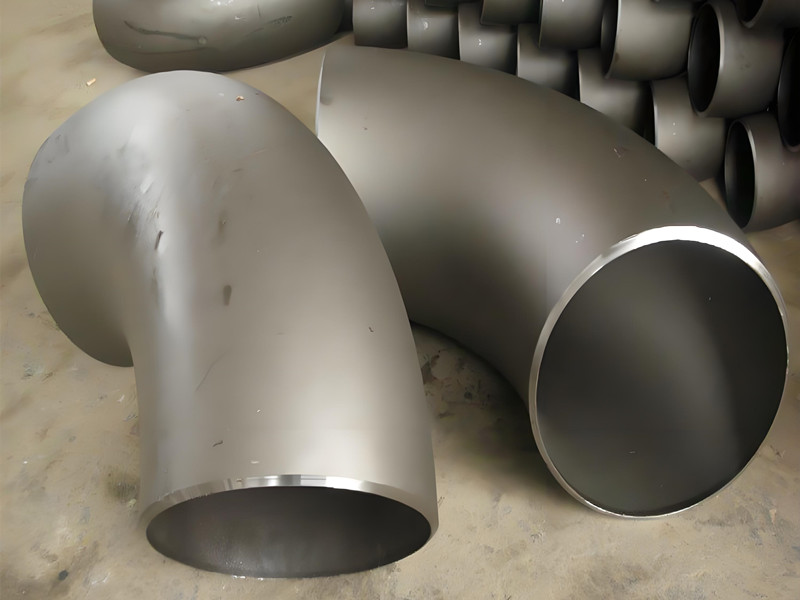
A good compromise between butt-weld and threaded, used for small-diameter lines (typically 2" and below) requiring higher integrity than threads can provide.
How it works: The pipe is inserted into a recessed "socket" in the elbow until it bottoms out. It is then withdrawn slightly (approx. 1/16") to allow for thermal expansion. A fillet weld is then made around the hub of the fitting to secure the pipe.
Advantages:
(1)Good Strength: Stronger than threaded connections and better for vibration.
(2)Easier Alignment: The socket helps align the pipe and fitting correctly.
(3)Easier than Butt-Weld: Requires less welding skill than a full penetration butt weld.
Flanged
Used in applications where sections of the piping system need to be regularly disconnected for maintenance, inspection, or cleaning (e.g., pumps, valves, vessels).
How it works: The elbow itself has flanged ends. These are bolted to matching flanges on the adjacent pipes or equipment. A gasket is placed between the flange faces to create a seal.
Advantages:
(1)Easily Disassembled: Perfect for equipment that requires frequent access.
(2)Excellent Alignment: Allows for easy connection and alignment of components.
(3)High Pressure Capability: Flanged connections can be rated for very high pressures.
How to Choose carbon steel elbow:
The choice depends entirely on the application:
Critical, permanent systems: Use Butt-Weld.
Small, low-pressure utilities: Use Threaded or Socket-Weld.
Systems needing regular access: Use Flanged.
 EN
EN