A failed boiler pipe caused $12 million in damages at a Japanese power plant last year. At Silver Valley, our ASME-certified boiler pipes prevent such failures with unmatched reliability.
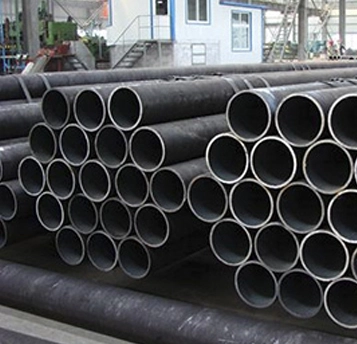
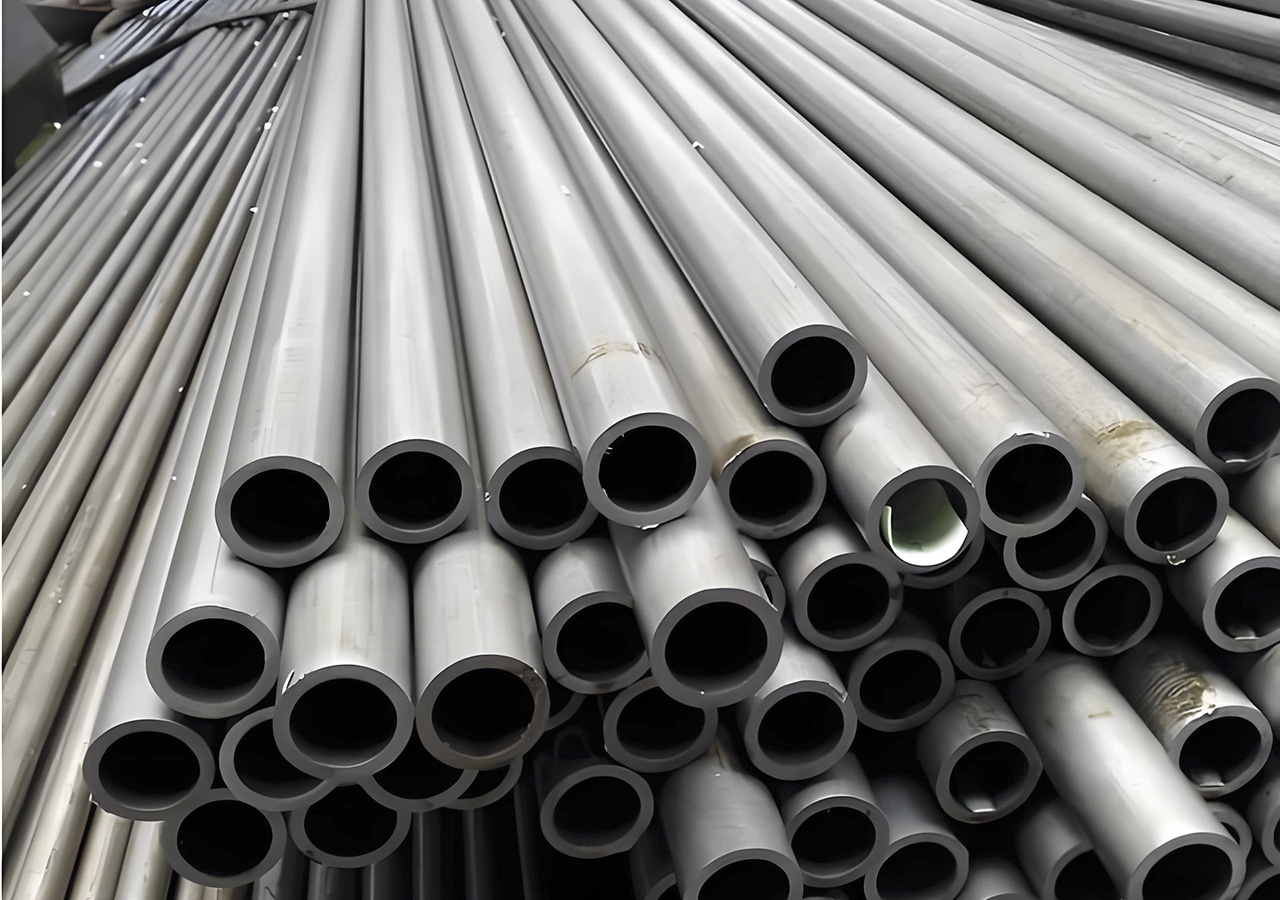
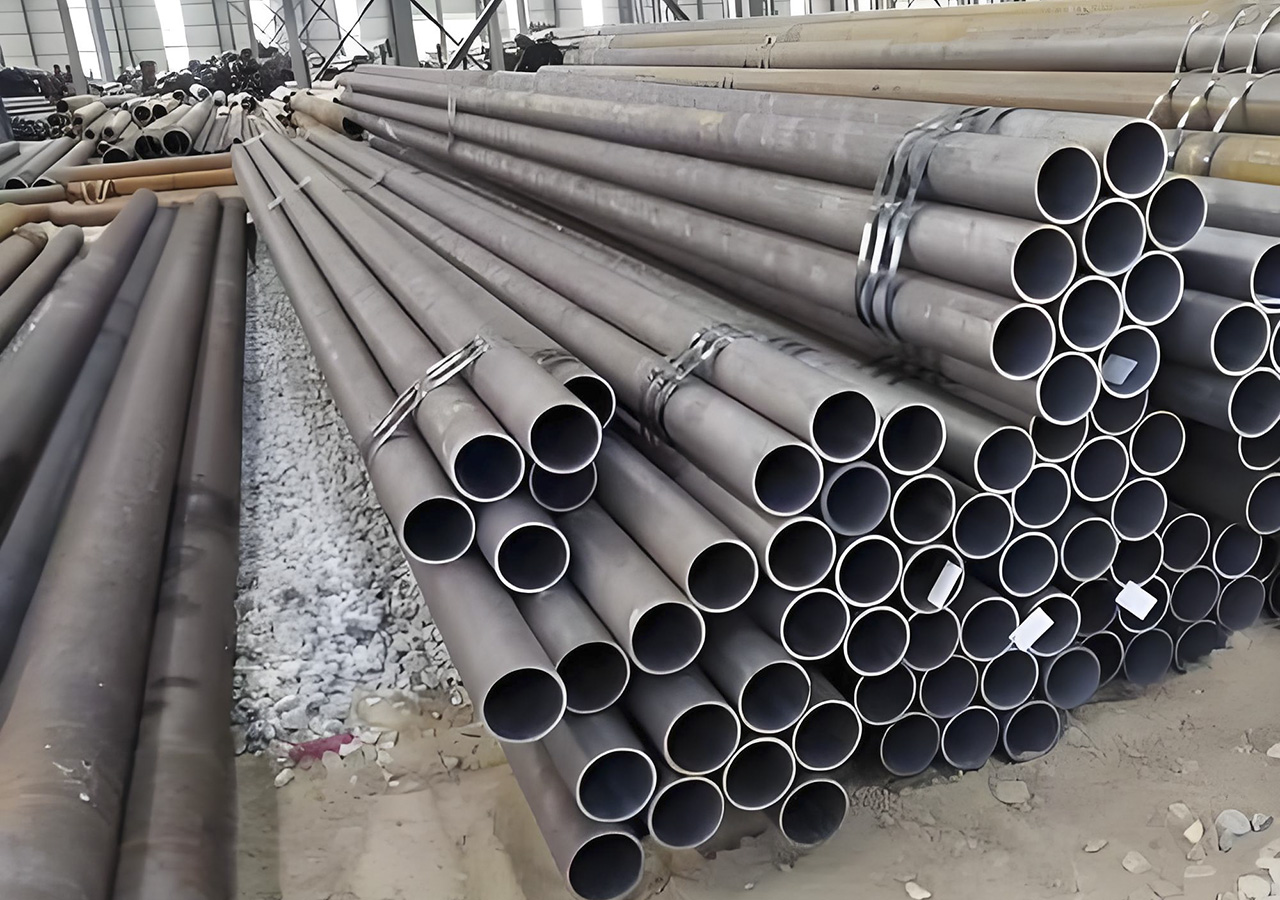
Boiler steel pipes are high-performance seamless or welded tubes made from alloy steels. Engineered for use in extreme conditions, these pipes are built to handle pressures up to 3,000 PSI and temperatures reaching 600°C. They are characterized by a low carbon content (typically no more than 0.35%), tight wall thickness tolerances (±5%), and improved resistance to corrosion and oxidation thanks to alloying elements such as chromium and molybdenum.
Unlike standard pipes, boiler tubes are specifically designed to withstand continuous thermal cycling and to resist scale buildup—both of which are critical for maintaining heat transfer efficiency and long-term structural reliability in demanding environments.From coal-fired plants to nuclear reactors, boiler pipes form the lifelines of thermal energy systems. Here's what engineers need to know.
What Type of Pipe Is Used for Boilers?
A textile factory in Indonesia reduced maintenance costs significantly after switching to our boiler-specific pipes. The right choice makes all the difference.
Key Characteristics:
Performance Attributes
Material Grades: ASTM A192, A210, A213 standards
Manufacturing Methods: Seamless or electric resistance welded
Wall Thickness: Precisely controlled for pressure containment
Surface Finish: Smooth interior to minimize turbulence
Dimensional Accuracy: Tight tolerances for proper fitment
Our Solution: Silver Valley boiler pipes feature:
Optimized carbon content to prevent creep
Fine grain structure for better toughness
Controlled alloy additions for oxidation resistance
Full-length normalized treatment
Case Study: Our A335-P91 alloy pipes successfully operated for 8 years in a 550°C superheater section with zero wall thinning.
What Are the Three Types of Steel Pipes?
Choosing the wrong pipe type caused a boiler explosion in Indonesia. Here's how to select properly.
Comparison Guide:
Best Applications:
Seamless: Critical high-pressure sections (headers, superheaters)
ERW: Economizers, water walls where cost matters
Spiral: Large diameter flue gas ducts
What Is Boiler Pipe Made Of?
Our metallurgists developed a unique heat treatment process that improves creep life by 30%.
Pipe Type Distinctions
Seamless Boiler Pipes
ERW Boiler Pipes
Spiral Welded Pipes
Typically for lower-pressure applications
Large diameter capabilities
Often used in exhaust systems
Selection Guide:
Seamless for critical pressure parts
ERW for non-critical sections when cost matters
Spiral only for specific applications
Production Process Flow:
Steel Making
Electric arc furnace refining
Vacuum degassing to reduce hydrogen
Chemistry adjustment within ±0.01%
Pipe Formation
Hot extrusion for seamless pipes
High-frequency induction welding for ERW
Three-roll sizing for perfect roundness
Heat Treatment
Normalizing at 900-1100°C
Quenching + tempering for alloy grades
Shot blasting for stress relief
Testing:
Why Choose Silver Valley Boiler Pipes?
A major UK utility company reported zero boiler tube failures over 5 years using our products.
Competitive Advantages:
Longer service life: Designed for 30+ years
Technical support: Includes finite element stress analysis
Logistics: Stocked in Rotterdam, Houston, Dubai hubs
Customization:
 EN
EN